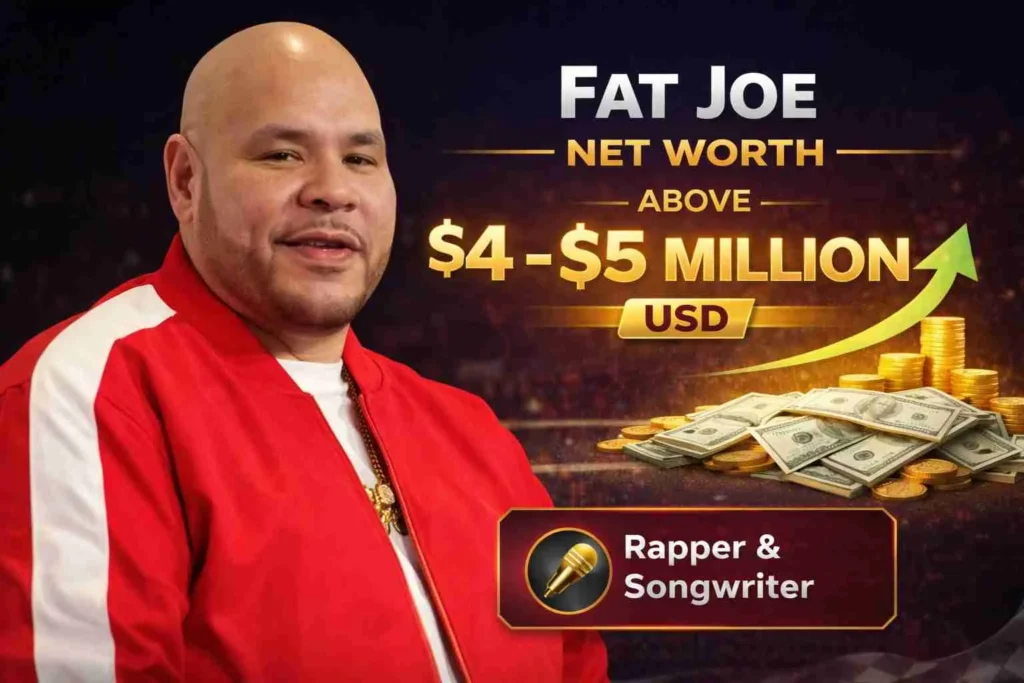
Fat Joe net worth is estimated at around $4 million to $5 million as of recent reports.He built his wealth mainly through music, collaborations, and business ventures like his sneaker store and record label.
Fat Joe Net Worth has become a hot topic among fans and industry watchers who are curious about how the Bronx-born rapper turned his decades-long music career into lasting financial success. Known for his gritty lyrics, chart-topping collaborations, and business ventures, Fat Joe whose real name is Joseph Antonio Cartagena has built a reputation as both a hip-hop icon and a savvy entrepreneur.
From early hits in the 1990s to modern-day appearances and endorsements, his income streams reflect consistency, adaptability, and deep roots in the entertainment industry.
Over the years, Fat Joe’s wealth has grown through multiple channels, including album sales, touring, record label ventures, and media appearances. His collaborations with major artists like DJ Khaled and Remy Ma have kept him relevant across generations, while his business mindset has helped him stay financially stable even as the music landscape evolved.
As a result, his net worth represents not just musical success but a broader strategy of branding, partnerships, and long-term influence in hip-hop culture.
Fat Joe Net Worth Bio Data Table
| Attribute | Details |
|---|---|
| Full Name | Joseph Antonio Cartagena (stage name: Fat Joe) |
| Date of Birth | August 19, 1970 |
| Age (2026) | ~55–56 years old |
| Place of Birth | South Bronx, New York, U.S. |
| Nationality | American |
| Profession | Rapper, Songwriter, Actor, Entrepreneur |
| Net Worth (2026 estimate) | ~$4 million – $5 million USD — widely cited by major celebrity net worth trackers and biographical sources |
| Main Sources of Income | – Music sales & streaming royalties (decades of albums & hit singles) – Live performances & touring – Acting roles in films & TV – Business ventures & label (Terror Squad Entertainment) |
| Career Highlights | – Early success with hip‑hop collective D.I.T.C. – Solo hits like Lean Back, What’s Luv?, All the Way Up – Founded Terror Squad label, launching/remixing artists like Remy Ma and DJ Khaled |
| Annual Earnings (Typical) | Multiple hundreds of thousands from performances, music royalties & appearances — varies year‑to‑year |
| Famous For | Influential East Coast rap figure with a multi‑decade career and crossover media presence |
| Status | Alive and active in entertainment (as of 2026) |
Who Is Fat Joe?
Joseph Antonio Cartagena better known as Fat Joe is an American rapper and entertainment entrepreneur from the Bronx, New York. Born to Puerto Rican parents, he grew up immersed in the borough’s vibrant hip‑hop culture the same streets that gave rise to legends like KRS‑One, Big Pun, and Nas. Joe’s entry into music began in the early 1990s, and he quickly built a reputation for lyrical grit, street authenticity, and an ability to collaborate across styles.
Joe founded the group Diggin’ in the Crates Crew (D.I.T.C.), alongside producers and artists such as Lord Finesse, Diamond D, Showbiz & A.G., and O.C., further establishing his influence in the rap community.
Fat Joe’s career spans decades from underground hip‑hop credibility to mainstream chart success and includes business ventures in entertainment, clothing, and media.
Net Worth Overview
Industry estimates suggest Fat Joe’s net worth in 2026 is approximately $4–$5 million. This figure accounts for earnings from music sales, touring, royalties, business ventures, and brand deals as well as liabilities, management expenses, and market variables.
Disclaimer: Net worth figures are estimates based on publicly available data and may vary.
This estimate considers:
- Lifetime music earnings
- Touring revenue
- Catalog royalties
- Business ownership and investments
- Media appearances and endorsements
Net Worth Growth Timeline
Before Fame
Fat Joe earned his first income from early mixtapes, underground shows, and local DJ connections in the 1990s. While specific earnings from this period remain unverified, grassroots hustle laid the foundation for his financial momentum.
Key income drivers:
- Underground singles
- Local performances
- Crew collaborations
Breakthrough Phase
Joe’s breakthrough came with albums like “Represent” (1993) and “Jealous One’s Envy (1995)”, which helped him secure major label interest and national touring opportunities.
As Joe’s name spread, earnings expanded through:
- Record deals
- Higher touring pay
- Merchandise sales
Peak / Recent Years
By the 2000s, Fat Joe was a household name, with crossover hits like “What’s Luv?” (feat. Ashanti) and “Lean Back” (with Terror Squad). These songs generated mainstream attention and strong royalty streams.
In recent years, Joe has:
- Maintained touring revenue
- Expanded into TV appearances
- Monetized catalog rights
- Engaged in brand partnerships
These income streams have helped stabilize and grow his wealth.
Main Sources of Income
Fat Joe’s wealth is not derived from a single source but rather a diversified portfolio of revenue streams commonly seen in elite entertainers.
Core Profession Income
Music Sales & Streaming
Fat Joe’s albums and singles generate earnings in multiple ways:
- Album sales (physical & digital)
- Streaming royalties
- Publishing royalties
As streaming has replaced traditional sales, Joe’s catalog continues to earn recurring income.
Tours / Salary / Business Revenue
Live performance has been a cornerstone of Fat Joe’s earnings:
- Solo tours
- Festival appearances
- Back‑to‑back shows
Touring revenue includes:
- Ticket sales
- Sponsorship partners
- VIP experiences
Brand Endorsements & Sponsorships
While Fat Joe is not known as a major mega‑endorser like some peers, selective partnerships have boosted his earnings, especially in urban fashion and lifestyle products.
Examples include:
- Clothing collaborations
- Beverage partnerships
- Lifestyle brand campaigns
Merchandise & Licensing
Fat Joe’s brand extends into merchandise from apparel to limited edition releases generating direct consumer revenue.
Licensing deals also contribute, particularly when his music is used in film, TV, or video games.
Business Strategy Behind the Wealth
Fat Joe’s financial strategy reflects a mix of artistry and entrepreneurship:
- Catalog Ownership – Retaining rights where possible to secure long‑term royalties.
- Strategic Collaborations – Partnering with rising stars to stay relevant and reach new audiences.
- Media Visibility – TV and digital appearances that expand brand exposure.
- Entrepreneurial Ventures – Exploring apparel, entertainment, and lifestyle industries.
These choices have helped Joe convert cultural impact into income, extending beyond pure music royalties.
Awards & Achievements and Financial Impact
While mainstream artistic awards don’t always translate directly into earnings, Fat Joe’s recognition has helped amplify his brand and negotiating power.
Notable achievements:
- Platinum‑selling singles
- Chart‑topping collaborations
- Legacy in hip‑hop culture
These accolades elevate market demand, leading to:
- Higher performance fees
- Increased catalog value
- Media opportunities
Assets & Lifestyle
Fat Joe’s lifestyle reflects his success but with an eye toward investment and legacy building.
Real Estate
Joe has reportedly invested in real estate over the years. While specific property holdings are private, typical asset classes for artists of his net worth include:
- Residential properties in major cities
- Rental or commercial real estate
- Vacation homes
These assets contribute to net worth and provide diversified income.
Cars & Luxury
Like many entertainers, Fat Joe enjoys luxury vehicles and lifestyle indulgences. While exact car valuations vary, high‑end cars can range from six to seven figures in total.
Fashion / Investments
Joe’s style and fashion ventures enhance his personal brand and provide additional revenue through:
- Apparel lines
- Collaborations with designers
- Limited edition merchandise drops
Net Worth Comparison (Peers / Industry)
Comparing Fat Joe with peers helps contextualize his financial success within the music industry.
| Artist | Estimated Net Worth |
| Fat Joe | ~$4–$5M |
| Ja Rule | ~$15M–$20M |
| N.O.R.E. | ~$12M–$18M |
| DJ Khaled | ~$60M–$80M |
Note: These figures are estimates and vary by source.
Fat Joe’s net worth places him solidly in the mid‑range of successful hip‑hop veterans below producers who branched heavily into business (e.g., DJ Khaled), but higher than artists whose primary earnings were performance‑centric.
Controversies, Challenges & Financial Risks
Fat Joe has faced professional challenges that also impact financial outcomes:
- Industry disputes with other artists
- Market shifts from physical to digital music
- Catalog valuation volatility
- Touring disruptions caused by economic downturns or global events
These factors have real financial implications, affecting income stability and future earnings.
However, Joe’s longevity and ability to pivot across platforms have mitigated many risks.
Philanthropy & Social Impact
Fat Joe’s impact extends beyond wealth accumulation. His philanthropic pursuits include:
- Community engagement
- Support for youth music programs
- Advocacy for cultural representation
While not always financially lucrative, these efforts boost reputation and influence, which can have indirect economic value.
How Fat Joe Makes Money Outside Core Profession
Beyond music and touring, Fat Joe earns through:
Media Appearances
Television, podcasts, and radio appearances contribute appearance fees and broaden his audience.
Business Ventures
Investments in fashion, lifestyle products, and entertainment companies diversify his income.
Public Speaking & Events
Speaking engagements at universities, panels, and cultural forums add lucrative opportunities outside music.
Future Net Worth Projection
Looking ahead, Fat Joe’s net worth potential will be shaped by:
- Catalog monetization (especially as legacy hip‑hop continues to grow in streaming value)
- Strategic partnerships
- Expanded brand licensing
- Digital revenue from social platforms
With smart investment and ongoing visibility, his net worth could grow toward $50M+ over the next decade especially if catalog rights and media ventures expand.
Frequently Asked Questions
Q1: What is Fat Joe’s net worth?
A1: Fat Joe’s estimated net worth in 2026 is approximately $4–$5 million based on earnings from music, touring, business, and media. Estimates may vary.
Q2: How did Fat Joe make his money?
A2: Joe earned wealth through record sales, touring, royalties, brand deals, merchandise, and entrepreneurial ventures.
Q3: Does Fat Joe own his music catalog?
A3: While exact ownership details vary by album and contract, catalog rights are a major income consideration for legacy artists.
Q4: Does Fat Joe still tour?
A4: Yes touring and live performances remain key income drivers, contributing to his overall net worth.
Q5: Has Fat Joe invested in business outside music?
A5: Joe has explored fashion, media appearances, and strategic partnerships, diversifying income beyond music.
Q6: Will Fat Joe’s net worth grow?
A6: With continued streaming revenue, brand expansion, and business ventures, growth is possible though market trends will influence outcomes.
Conclusion
Fat Joe net worth reflects the career of an artist who transformed Bronx grind into sustained financial success. From early hip‑hop roots to mainstream chart impact, live touring revenue, diversified ventures, and strategic brand positioning, Fat Joe has built a multifaceted income structure that continues to grow.

Chris Woakes blends his love for sports and wordplay, delivering a witty, pun-filled style that turns everyday cricket anecdotes and life observations into clever, lighthearted storytelling. His humor is sharp yet approachable, making readers laugh while appreciating his clever linguistic twists.