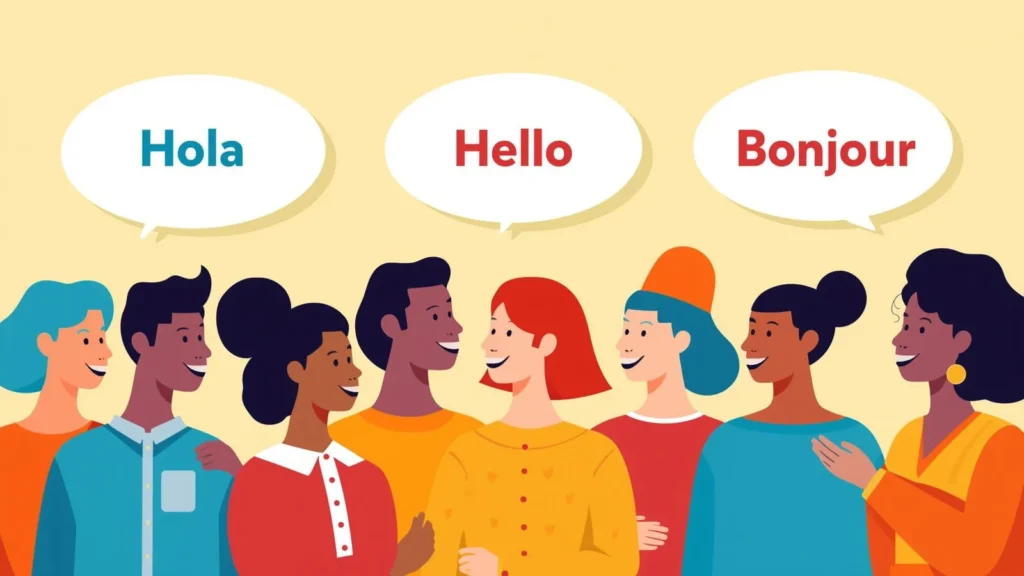

Definition: “Hola” is a Spanish word that means “hello” in English. It is a friendly and informal greeting used to say hi when meeting someone, starting a conversation, or acknowledging someone’s presence.
You’ve probably heard the word “hola” in movies, songs, or even everyday conversations especially in multicultural or online spaces. It’s short, simple, and easy to remember, but its impact goes far beyond just a greeting.
Whether you’re traveling, chatting online, or learning a new language, understanding the meaning and proper usage of “hola” can instantly make you sound more friendly and culturally aware. In this guide, we’ll break down everything you need to know about “hola” from its origin and tone to real-life examples and alternatives.
What Does “Hola” Mean?
At its core, “hola” simply means “hello” in Spanish. It’s one of the most commonly used greetings across Spanish-speaking countries.
Key Points:
- Used to greet someone casually or politely
- Suitable for both formal and informal situations
- Can be used anytime during the day
Unlike English greetings like “good morning” or “good evening,” hola works universally.
Origin of the Word “Hola”
The word “hola” has interesting historical roots. It is believed to have originated from older Spanish expressions used to attract attention, similar to “hey!” or “hello!” in English.
Linguistic Background:
- Derived from Old Spanish interjections
- Influenced by earlier forms like “hala”
- Evolved into a standard greeting over time
Today, hola is a foundational word taught in every beginner Spanish lesson.
Why “Hola” Is So Popular Worldwide
“Hola” isn’t just limited to Spain or Latin America, it’s recognized globally.
Reasons for Its Popularity:
- Easy pronunciation (OH-la)
- Widely used in media (songs, movies, memes)
- Global Spanish-speaking population (500+ million people)
- Cultural influence from Latin music and entertainment
Even non-Spanish speakers often use “hola” casually for fun or style.
How to Use “Hola” in Real Life
Using “hola” is simple, but context still matters. Here’s how you can use it naturally.
Basic Usage:
- Greeting someone: Hola, ¿cómo estás? (Hello, how are you?)
- Starting a conversation: Hola, I wanted to ask you something…
- Answering a call: Hola? (Hello?)
Examples of “Hola” in Different Contexts
Below is a table showing how “hola” is used depending on tone and situation:
| Context | Example | Tone |
| Friendly | Hola! 😊 How are you? | Warm & casual |
| Neutral | Hola, I need some information | Polite |
| Professional | Hola, buenos días señor | Respectful |
| Playful | Holaaa!!! 😄 | Fun/excited |
| Online/Chat | hola 👋 | Casual |
Tone and Emotion: What “Hola” Can Express
While “hola” is generally neutral, tone changes depending on how you say or write it.
Tone Variations:
- Friendly: Hola 😊
- Excited: Holaaa!!!
- Formal: Hola, buenos días
- Cold/Neutral: Hola.
👉 Just like “hello” in English, delivery matters.
Comparison With Similar Greetings
Let’s compare “hola” with other greetings to understand its place better.
| Greeting | Language | Meaning | Usage Style |
| Hola | Spanish | Hello | Universal |
| Hello | English | Hello | Neutral |
| Hi | English | Informal hello | Casual |
| Hey | English | Casual greeting | Very informal |
| Bonjour | French | Good day | Formal/semi-formal |
| Salaam | Arabic/Urdu | Peace/Hello | Respectful |
Key Insight:
“Hola” is as versatile as “hello” but carries a slightly warmer, more expressive feel.
When Should You Use “Hola”?
You can use “hola” in many situations:
✔ Appropriate Situations:
- Meeting someone new
- Greeting friends or colleagues
- Starting emails (semi-formal)
- Traveling in Spanish-speaking countries
❌ Less Appropriate Situations:
- Extremely formal business emails (better to add “Buenos días”)
- Situations requiring cultural sensitivity (use local greetings instead)
Professional or Polite Alternatives to “Hola”
If you want to sound more professional or respectful, here are better alternatives:
Formal Alternatives:
- Buenos días – Good morning
- Buenas tardes – Good afternoon
- Buenas noches – Good evening/night
English Alternatives:
- Hello
- Greetings
- Good day
👉 Tip: Combine hola with these phrases for a balanced tone:
- Hola, buenos días
Are There Any Alternate Meanings of “Hola”?
While “hola” mainly means “hello,” it can have slight variations depending on context:
Alternate Uses:
- Attention grabber: Similar to “hey!”
- Phone greeting: Like saying “hello?”
- Playful tone online: Used stylistically in chats
However, it does not have slang or negative meanings it’s always safe and friendly.
“Hola” in Digital Culture and Social Media
“Hola” is widely used across platforms like WhatsApp, Instagram, and TikTok.
Common Online Uses:
- Starting a DM: hola 👋
- Flirty messages: hola 😉
- Reconnecting: Hola! Long time no see!
Its simplicity makes it perfect for global communication.
Usage Tips for Beginners
If you’re new to Spanish or just want to use “hola” correctly, keep these tips in mind:
- Pronounce it as OH-la (not “hole-ah”)
- Smile when saying it it adds warmth
- Pair it with names: Hola, Maria
- Add emojis in casual chats 😊
FAQ:
1. What does “hola” mean in English?
“Hola” means hello and is used as a general greeting.
2. Is “hola” formal or informal?
It is neutral, suitable for both formal and informal situations.
3. How do you respond to “hola”?
You can simply reply with “hola” back or say Hola, ¿cómo estás?
4. Can I use “hola” in professional emails?
Yes, but it’s better to pair it with a formal phrase like Buenos días.
5. What language is “hola” from?
It comes from Spanish.
6. Is “hola” used worldwide?
Yes, it’s widely recognized globally due to Spanish influence.
7. How do you pronounce “hola”?
It’s pronounced OH-la.
8. Does “hola” have any slang meaning?
No, it is strictly a greeting and has no negative or slang meanings.
Conclusion
“Hola” may be just a simple word, but it carries a powerful role in communication. It’s friendly, universal, and incredibly easy to use. Whether you’re traveling, chatting online, or learning Spanish, “hola” is one of the first and most important words to know.
Final Tips:
- Use “hola” confidently it’s always appropriate
- Adjust tone with punctuation and emojis
- Combine with formal phrases when needed
- Practice using it in real conversations
In a world where communication crosses cultures, a simple hola can go a long way in making connections.
Discover More Articles About:
- What Does YH Mean: Definition, Usage, and Examples In 2026
- STFU Meaning: What Does STFU Really Stand For In 2026