
Definition:
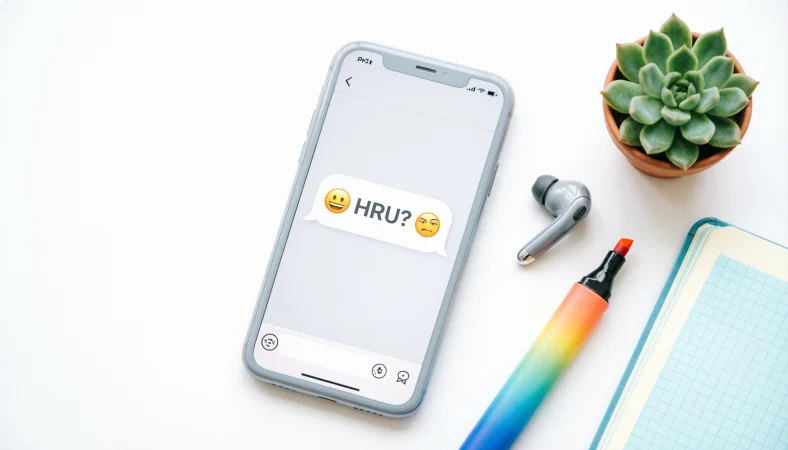
HRU is an acronym for “How are you?” commonly used in text messages, online chats, and social media to ask someone about their well-being in a casual, friendly, and concise way.
In today’s fast-moving digital conversations, short forms like “HRU” have become a natural part of everyday texting and online communication. “HRU” simply stands for “How Are You?” and is commonly used in casual chats across platforms like WhatsApp, Instagram, and SMS. It helps people quickly check in with friends, family, or even acquaintances without typing a full sentence, making conversations feel more relaxed and instant.
Understanding terms like “HRU” is important because they reflect how language evolves with technology and social habits. While it may seem informal, using “HRU” appropriately shows awareness of modern communication styles. It’s typically used in friendly or informal contexts rather than professional settings, where a complete phrase like “How are you?” is still preferred for clarity and tone.
Origin of HRU
The abbreviation HRU originated from the rise of digital communication in the late 1990s and early 2000s, particularly with the growth of SMS texting, instant messaging apps like AOL Instant Messenger, MSN Messenger, and later social media platforms. Users sought faster ways to communicate, leading to shorthand like “HRU”, “BRB”, “LOL”, and “OMG”.
Its use became especially common among teenagers and young adults, who preferred typing fewer characters while maintaining a friendly tone. Over time, HRU has spread across platforms like WhatsApp, Discord, Instagram, and Snapchat, making it a staple in casual online conversations.
Popularity and Real-World Usage
HRU is widely used today in informal digital communication. Its popularity can be attributed to:
- Speed: Typing “HRU?” is faster than writing “How are you?”
- Informality: It conveys friendliness without seeming overly formal.
- Emojis: Often paired with emojis to express tone (😊, 🙃, 😅).
- Global Use: English-speaking internet users worldwide recognize it.
Example of Platforms:
| Platform | Common HRU Usage |
| “HRU? 😊” | |
| Instagram DMs | “Hey! HRU?” |
| Discord | “HRU guys? Ready for the game?” |
| “HRU today? #MondayMood” |
How to Use HRU in Texts
Using HRU depends on context and tone. Here are the main examples:
1. Friendly Tone
- Text: “Hey Sarah! HRU? 😊”
- Context: Casual greeting to a friend.
2. Neutral Tone
- Text: “HRU?”
- Context: Quick check-in without extra emotion.
3. Dismissive or Rushed Tone
- Text: “HRU?”
- Context: Could feel curt if no emojis or follow-up, especially in professional settings.
Tip: Pair HRU with emojis or follow-up questions to ensure warmth and avoid misunderstanding.
Comparison with Related Terms
HRU can be compared to other common greetings in digital communication:
| Abbreviation | Full Form | Tone | Usage Example |
| HRU | How are you? | Friendly/Neutral | “HRU? 😊” |
| HBU | How about you? | Follow-up/Reciprocal | “I’m good, HBU?” |
| WYD | What are you doing? | Curious/Informal | “Hey! WYD?” |
| Sup | What’s up? | Casual/Familiar | “Sup bro?” |
| Yo | Hey / Hello | Very casual | “Yo! HRU?” |
Insight: While HRU focuses on checking well-being, abbreviations like WYD or Sup focus on current activities or casual acknowledgment.
Alternate Meanings of HRU
Though “How are you?” is the most common meaning, HRU can have alternate uses depending on context:
- High-Risk User – Often used in cybersecurity or risk management.
- Heat Recovery Unit – Technical term in HVAC and engineering.
- Hunting Rifle Unit – Specific to certain gaming or military contexts.
Key Tip: Context is essential. In everyday texting, HRU almost always means “How are you?”
Polite and Professional Alternatives
While HRU is great for casual communication, it may not be appropriate in formal or professional settings. Alternatives include:
- “How are you doing today?”
- “I hope you’re well.”
- “How have you been?”
- “I hope everything is going smoothly.”
Pro Tip: Pairing these alternatives with a small personal touch can make professional messages feel warmer:
“Hello John, I hope you’re well. How has your week been so far?”
Examples of HRU in Conversation
Here’s a quick reference table with examples showing different tones and responses:
| Tone | Example Message | Example Response |
| Friendly | “Hey Emma! HRU? 😊” | “Hey! I’m great, thanks! HBU?” |
| Neutral | “HRU?” | “Fine, you?” |
| Casual | “Yo! HRU?” | “Yo! All good, just chilling.” |
| Dismissive | “HRU” | “K” |
| Flirty/Fun | “HRU cutie? 😏” | “Better now 😜” |
Insight: The tone, context, and emojis significantly affect how HRU is perceived.
Tips for Using HRU Effectively
- Know your audience: Use HRU with friends or peers rather than in formal emails.
- Use emojis: Small emojis can prevent misunderstandings.
- Respond promptly: Since HRU is short, delayed responses might seem careless.
- Combine with follow-ups: Example: “HRU? Any plans today?”
- Avoid overuse: Using HRU in every message may feel robotic or lazy.
Frequently Asked Questions
1. What does HRU stand for in texting?
It stands for “How are you?” and is used for casual greetings.
2. Is HRU slang or professional?
It’s slang/abbreviated language suitable for informal contexts, not professional emails.
3. Can HRU be used in a work chat?
Only with colleagues you know well; otherwise, a full greeting like “How are you?” is better.
4. How do I respond to HRU?
Typical responses include:
- “I’m good, thanks! HBU?”
- “Doing well! How about you?”
- “Fine, and you?”
5. Is HRU the same as HBU?
No, HRU asks about the other person’s well-being, while HBU (How about you?) is a follow-up question.
6. Are there similar abbreviations to HRU?
Yes, such as WYD (What are you doing?), Sup (What’s up?), Yo (Hey).
7. Can HRU have negative connotations?
If sent without emojis or tone, it can seem curt, rushed, or disinterested.
8. Is HRU popular worldwide?
Yes, especially among English-speaking users on WhatsApp, Discord, Instagram, Snapchat, and gaming platforms.
Conclusion:
In today’s fast-paced digital conversations, “HRU” simply means “How are you?” a quick, casual way to check in with someone. It’s widely used in texting, social media, and chat apps because it saves time while still keeping the conversation friendly and engaging.
Whether you’re talking to friends, replying to someone online, or starting a casual chat, “HRU” helps keep things simple and informal. Just remember, it’s best used in relaxed settings not in professional or formal communication.
Practical Tip: Use HRU as a conversation starter, then expand the chat naturally:
“HRU? 😊 Got any plans for the weekend?”
With proper use, HRU helps maintain connections without typing long sentences, making communication quick, friendly, and fun.