
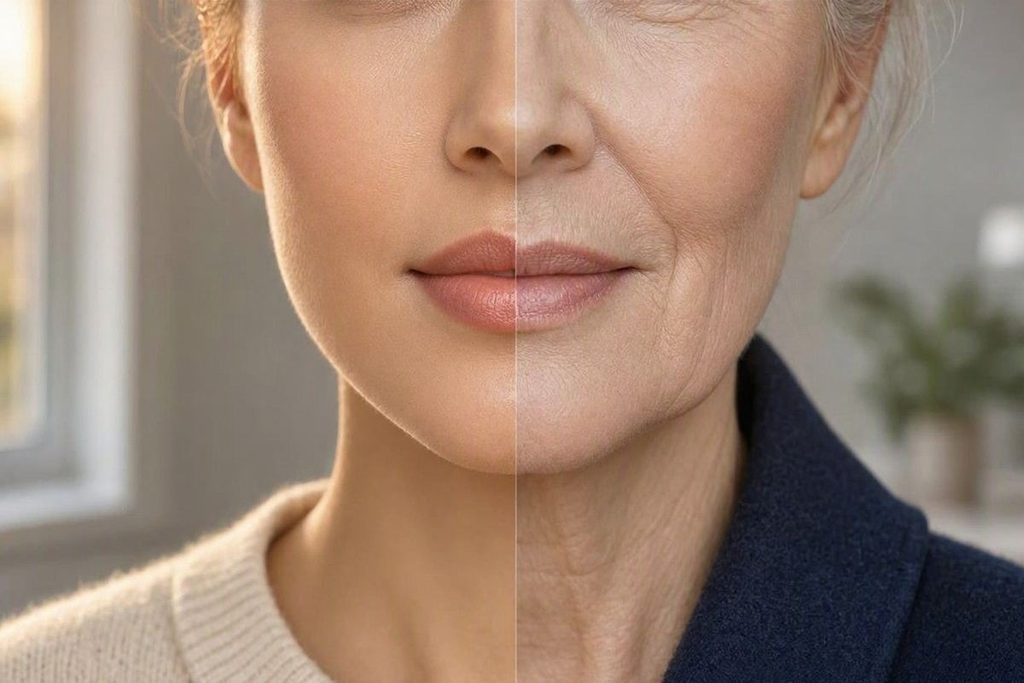
Have you noticed that your lips look thinner than they did a few years ago? You are not alone. Many people experience changes in their lips as they get older. Lips may lose their natural fullness, develop fine lines, or appear less defined. Even the corners of the mouth may begin to turn downward. These changes are a normal part of aging, but they can affect the overall appearance of your face.
Understanding thin lips with age can help you make better choices about lip care and treatment. The good news is that several options can improve the appearance of aging lips. Simple skincare habits, healthy lifestyle choices, and professional treatments can make a difference. In this article, we will explore the main causes of lip thinning and explain what actually helps restore a softer, fuller, and healthier appearance.
Why Lips Become Thinner With Age?
Lips change naturally as the body ages. Unlike other parts of the skin, the lips have a thin outer layer and very little natural oil protection. This makes them more likely to become dry and lose their smooth appearance. Over time, changes in collagen, moisture, and facial structure can make the lips look smaller and less defined. Thin lips with age are often the result of several natural changes rather than one single cause.
Here are the main reasons why lips become thinner as you get older:
1. Loss of Collagen and Elastin
Collagen and elastin are important proteins that keep the skin firm, smooth, and flexible. As people age, the body produces less of these proteins. This reduces the natural support around the lips. As a result, the lips may lose some of their volume and appear flatter. Fine lines can also develop around the mouth, making the lips look smaller.
2. Reduced Natural Hydration
Healthy lips need enough moisture to stay soft and smooth. However, the skin becomes less effective at retaining moisture with age. The lips may become dry, rough, and more likely to crack. When lips lose moisture, they can look less plump than usual. Regular hydration can help improve their appearance.
3. Changes in Facial Fat
Facial fat plays an important role in maintaining youthful facial features. With age, fat distribution changes, and some areas lose volume. The tissues around the mouth may become less full. This can make the upper and lower lips appear thinner, even when their actual size has changed only slightly.
4. Sun Exposure
Sun exposure is another major cause of visible aging around the lips. Ultraviolet (UV) rays damage collagen and speed up skin aging. Years of sun exposure can cause wrinkles, dryness, and changes in lip texture. The skin around the mouth may also develop fine vertical lines, which can make the lips appear less defined.
5. Natural Changes in Bone and Teeth
Aging can also affect the structure of the face. Changes in the jawbone, teeth, and surrounding tissues may reduce support for the lips. This can cause the mouth area to look flatter. These structural changes are a natural part of aging and may contribute to thinner-looking lips.
What Actually Helps Thin Lips?
Although aging cannot be stopped completely, you can take steps to improve the appearance of your lips. The best approach depends on the cause of the thinning. Some people only need better hydration and sun protection, while others may benefit from professional cosmetic treatments. Managing thin lips with age starts with understanding what your lips need and choosing safe, suitable solutions.
The following methods can help keep your lips looking healthy, smooth, and naturally full.
1. Keep Your Lips Moisturized
Moisturizing is one of the easiest ways to improve dry and thin-looking lips. A good lip balm helps protect the skin and reduce moisture loss. Choose products with ingredients such as:
- Shea butter: Helps soften and condition dry lips.
- Petrolatum: Creates a protective barrier that locks in moisture.
- Ceramides: Help support the skin’s natural protective barrier.
- Hyaluronic acid: Helps attract and retain water.
Apply lip balm regularly, especially before going to bed and after washing your face. Avoid licking your lips because saliva can make dryness worse.
2. Protect Your Lips from the Sun
Daily sun protection is important for preventing further damage. Choose a broad-spectrum lip balm with SPF 30 or higher. Apply it before going outdoors and reapply every two hours when exposed to sunlight. Reapply after eating, drinking, or swimming.
Sun protection helps reduce UV damage and supports healthier-looking lips over time. It cannot restore lost volume, but it can help prevent premature aging and protect the delicate skin around the mouth.
3. Drink Enough Water
Proper hydration supports overall skin health. Drinking enough water helps your body maintain normal moisture balance. Although drinking extra water will not directly restore lost lip volume, avoiding dehydration can help prevent dry and uncomfortable lips.
Eat a balanced diet that includes fruits, vegetables, healthy fats, and protein. These foods provide nutrients that support normal skin function and overall health.
4. Use Gentle Lip Care Products
Harsh products can irritate the delicate skin of the lips. Avoid strong fragrances, irritating ingredients, and rough scrubs. Do not peel or pull away dry skin because this can cause small injuries.
Choose gentle products that support the skin barrier. If you wear lipstick regularly, remove it carefully before sleeping. Keeping your lips clean and moisturized can improve their texture and overall appearance.
5. Explore Cosmetic Treatments
Some people may consider professional treatments to improve fine lines around the mouth. Options may include laser treatments, microneedling, or other skin-rejuvenation procedures. These treatments aim to improve skin texture and stimulate collagen production.
However, not every treatment is suitable for everyone. Results depend on skin condition, age, and individual needs. A qualified dermatologist can examine your lips and recommend an appropriate treatment plan.
6. Consider Professional Lip Fillers
For people who want to restore lost volume, thin lips with age may be improved with professional lip filler treatments. Most lip fillers use hyaluronic acid, a substance that naturally attracts water. A trained medical professional injects the filler into specific areas to improve fullness and shape.
Fillers can create subtle or more noticeable results, depending on the amount used. However, they are medical procedures and carry risks, including swelling, bruising, infection, lumps, and, rarely, serious blood vessel complications. Always choose a qualified and experienced medical professional. Avoid treatments offered by unlicensed injectors.
When to Seek Expert Advice?
Thinning lips are usually a normal sign of aging. However, some changes around the mouth may need medical attention. If your lips suddenly change in size, develop unusual swelling, or become painful, do not assume that aging is the cause.
You should seek advice from a dermatologist or healthcare professional if you notice:
- Sudden or unexplained changes in lip size.
- Persistent dryness, cracking, or bleeding.
- Sores that do not heal.
- Unusual spots, lumps, or changes in lip colour.
- Pain, swelling, or signs of infection.
A dermatologist can check your lips, identify possible causes, and suggest suitable treatments. If you are considering fillers or other cosmetic procedures, professional advice is also important. A proper consultation helps you understand the benefits, possible risks, and expected results before making a decision.
Your Best Choice: New You Aesthetics
New You Aesthetics is a med spa in Crown Point, Indiana, offering personalized aesthetic treatments to refresh your appearance and enhance your natural beauty. Its services are designed to restore confidence, highlight your unique features, and help you feel your best. Whether you want subtle improvements or a refreshed look, the goal is to achieve results that complement your individual appearance.
If you are considering natural lip filler in Crown Point, New You Aesthetics can be a place to explore options for enhancing lip volume and shape. A professional consultation can help you understand suitable treatments and choose an approach that supports balanced, natural-looking results while keeping your personal goals in mind.
Conclusion
Experiencing thin lips with age is a natural part of getting older. Reduced collagen, changes in facial fat, sun exposure, and lower moisture levels can all affect lip fullness and appearance. Although these changes are common, they do not mean you cannot maintain healthy and attractive lips as you age.
The best approach starts with simple daily care. Use a nourishing lip balm, protect your lips from the sun, stay hydrated, and avoid irritating products. If you want more noticeable volume or smoother skin, professional treatments may also be worth considering. Most importantly, choose safe and suitable solutions based on your needs. With consistent care and the right advice, you can keep your lips looking healthy, soft, and naturally beautiful at any age.

